
If you’re taking a GLP-1 medication like Ozempic or Wegovy — or considering it — you already know about weight loss and blood-sugar control.
But one thing most people never hear about is how these medications might affect your bones.
The “Colorado Case”: A Warning on Velocity
A patient in Colorado recently shared a common but concerning experience: she lost 30 pounds in just four months on a GLP-1. While the scale dropped, her health stalled—she reported weak legs and aching hips, unsure if the drug or the weight loss was to blame.
The Clinical Verdict: “Mechanical Unloading”
Clinically, this wasn’t a side effect of the medication, but a biological response to the speed of loss.
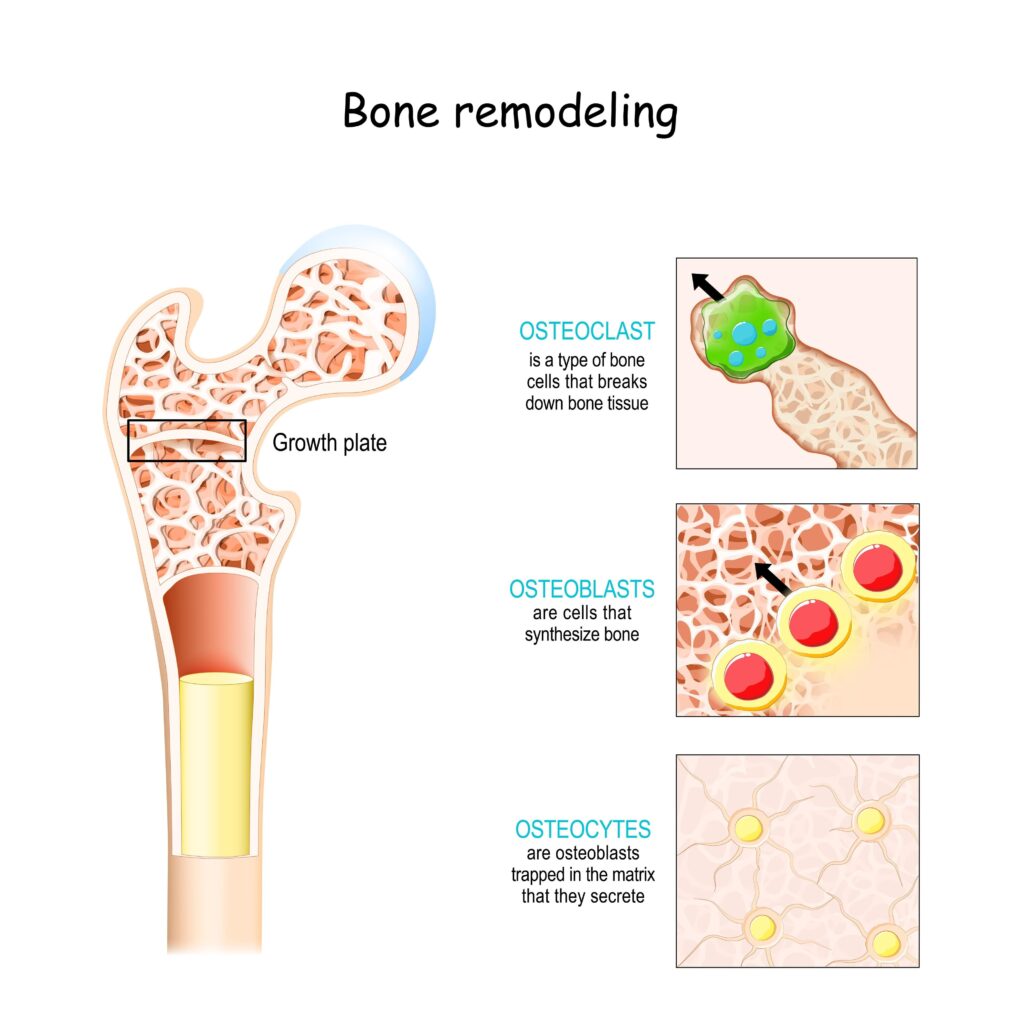
The Loading Signal: Bones stay dense by carrying weight. When 30 lbs vanish in weeks, the “pressure signal” to build bone stops.
The Muscle Gap: Without resistance training, up to 40% of that loss was likely muscle—the primary shock absorber for her hip joints.
The 14% Rule: Crossing a 14% weight-loss threshold so rapidly is a documented clinical “Red Flag” for bone resorption (bone melting). Stories like hers have sparked an important question:
Do GLP-1 medications affect bone density? And if so, how can you protect yourself?
Let’s walk through this clearly and simply.
Pro Tips:- Ozempic and Bone Loss: The Hidden Cost of Rapid Weight Loss
GLP-1 Drugs: Great for Health — But Mixed for Bones
GLP-1 medications can be powerful tools for:
- diabetes
- weight loss
- inflammation reduction
- heart protection
But bone health is more complicated.
Here’s what we know right now:
- Losing weight too fast can cause bone loss, no matter the method.
- Steady, slower weight loss is much safer.
- Eating nutrient-dense foods and doing weight-bearing exercise protects bone strength.
- Lower doses of GLP-1s seem to be less stressful on bones.
What the Science Says (And Why It’s Mixed)
In lab studies
GLP-1 medications look impressive. They seem to:
- boost bone-building activity
- slow down bone breakdown
- protect bone cells
But in real humans
Some people show small drops in bone density, especially in:
- hips
- legs
- lower spine
These bones carry your weight. When weight drops quickly, they lose load and stimulation — which can make them weaker.
The Hidden Link: Weight Loss, Muscle Loss & Bone Changes
A key reason GLP-1 drugs affect bone health is not the drug itself — it’s how fast people lose weight.
Here’s something most people don’t know:
👉 Up to 40% of weight lost on GLP-1s may be muscle, not fat.
And muscle is one of your bones’ biggest protectors.
When muscle drops:
- balance declines
- bone stability decreases
- injury risk rises
If you lose more than 14% of your body weight in a short time, the chance of bone loss goes up even more.
Osteoporosis is not an official side effect of Ozempic yet — but long-term research is still ongoing.
Pro Tips:- Is Ozempic available in a pill?
New Research: Is There Real Risk?
One early study (not fully peer-reviewed yet) found:
- 4% of GLP-1 users developed osteoporosis
- That’s a 30% higher risk than non-users
This doesn’t mean GLP-1 drugs cause osteoporosis.
But it does mean bone health deserves attention.
People using GLP-1s for weight loss only — especially at high doses — seem more likely to lose bone compared to those using them for diabetes.
That’s because improving blood sugar reduces inflammation, which can help bones.
Big Reviews Around the World: What They Agree On
Across many studies, researchers consistently find:
- GLP-1s are excellent for weight loss and heart protection.
- Bone effects are mixed, not extreme.
- Some people may see a mild increase in bone breakdown.
- Bone density often drops in weight-bearing bones.
- Bone quality usually stays normal.
- Fracture risk does not rise for everyone.
So the answer isn’t simply “yes, they hurt bones” or “no, they don’t.”
It depends on:
- age
- starting weight
- rate of weight loss
- activity level
Does Your Weight Protect Your Bones? Yes.
Being under 127 lbs is a known osteoporosis risk factor.
Your bones respond to pressure.
More load = more stimulation = stronger bones.
This is why some people use gentle vibration therapy — it gives bones that “load” signal even without heavy exercise.
Some scientists believe GLP-1s may affect bone cells directly. Others believe it’s mostly rapid weight loss.
Reality is likely a mix of both.
Good News: Exercise Protects Bones on GLP-1s
One of the strongest studies (JAMA Network Open) showed:
- People taking GLP-1 meds and working out did not lose bone density.
- People taking GLP-1 meds without exercise did.
Most helpful exercises:
- Walking
- Strength training
- Resistance bands
- Light jogging
Other research shows higher fracture risk in:
- adults over 68
- people with BMI over 40
- anyone losing weight very quickly
The hip and pelvis are the most vulnerable areas.
Pro Tips:- The Ozempic Birth Control Glitch: Why “Surprise Pregnancies” Are Hitting the GLP-1 Corridor
How to Protect Your Bones While Using GLP-1 Medications
1. Move your body daily
Especially your legs.
Walking, stairs, resistance exercises — your bones love load.
2. Ask for a DXA scan
A baseline and follow-up can catch early bone loss.
3. Eat for bone strength
Protein, calcium, and vitamin D are essential.
4. Add bone-supportive therapies
Some people use vibration therapy (like Osteoboost) for gentle stimulation.
5. Avoid rapid weight loss
Slow and steady protects bones and muscle.
6. Use GLP-1s under medical guidance
Never increase your dose on your own.
The Bottom Line
GLP-1 medications like Ozempic and Wegovy can be life-changing.
They help with weight loss, diabetes, and inflammation.
But they can also influence your bones — especially if you lose weight too quickly or lose a lot of muscle.
You don’t need to fear these medications.
You just need to use them wisely.
Eat well.
Move often.
Use the lowest dose that works.
Protect your bones the same way you protect your blood sugar.
Your long-term health depends on all of it working together.
FAQs
1. Do GLP-1 medications cause osteoporosis?
Not directly. But rapid weight loss and muscle loss can reduce bone density, which may increase risk over time.
2. How fast is “too fast” for weight loss on GLP-1 drugs?
Losing more than 1–2 pounds per week or more than 14% of body weight quickly can stress your bones.
3. Does exercise really protect bone health on GLP-1s?
Yes. Studies show exercise — especially strength training — helps maintain bone density.
4. Should I take calcium or vitamin D while on Ozempic?
Talk to your healthcare provider. Most people benefit from both, especially during weight loss.
5. Are bone scans necessary?
A DXA scan is smart if you’re on long-term GLP-1 therapy or losing weight rapidly.
6. Do GLP-1 medications affect bone density for everyone?
No. Effects vary based on age, weight, dose, and lifestyle habits.
Medical Disclaimer: All content found on this website, including text, images, or other formats, was created for informational purposes only. The content is not intended to be a substitute for professional medical advice, diagnosis, or treatment. Always seek the advice of your physician or other qualified health provider with any questions you may have regarding a medical condition. Never disregard professional medical advice or delay in seeking it because of something you have read on this website.