
Micro-dosing GLP-1s has quietly moved from niche forums into real conversations—especially in places like New York, where people tend to experiment first and ask questions later. The idea sounds simple enough: take a much smaller dose of drugs like semaglutide or tirzepatide, ease up on the side effects, and still get some appetite control. But here’s the thing—it’s not how these medications were designed to be used. Not even close.
Key Takeaways on GLP-1 Microdosing
- Customized Dosing: Microdosing involves using sub-therapeutic, carefully measured amounts of semaglutide or tirzepatide to support gradual metabolic health without the intense side effects of full-strength prescriptions.
- Enhanced Tolerability: By starting with lower levels, patients significantly reduce the risk of common GLP-1 side effects like nausea, vomiting, and digestive upset, making the treatment more sustainable.
- Beyond Weight Loss: Emerging evidence suggests that GLP-1 microdosing can support insulin resistance, PCOS symptoms, menopause-related weight gain, and cardiovascular health by improving cholesterol profiles.
- Medical Supervision is Essential: Because this is an off-label and experimental approach, it must be guided by a healthcare professional to ensure dosage accuracy and to avoid the risks associated with unverified compounding or “click counting.”
- Long-Term Wellness Strategy: Rather than a quick fix, microdosing is best used as a tool to complement lifestyle changes, helping to curb hunger just enough to maintain healthy habits over time.
Micro-dosing GLP-1s: What People Are Actually Doing
At its core, micro-dosing just means taking less than the approved dose. A lot less.
People are getting creative with it. Some count clicks on injection pens to estimate smaller amounts. Others go through compounding pharmacies. A few even measure doses manually from vials. None of these methods were part of the original design.
And that matters.
This kind of use falls under “off-label.” That doesn’t automatically mean dangerous—but it does mean there’s no official playbook. No standard dose. No long-term data. No clear safety net.
Follow Our: What Is GLP-1? A Clear Guide to GLP-1 Medicines for Weight Loss and Diabetes
How These Drugs Work (And Why Dose Matters)
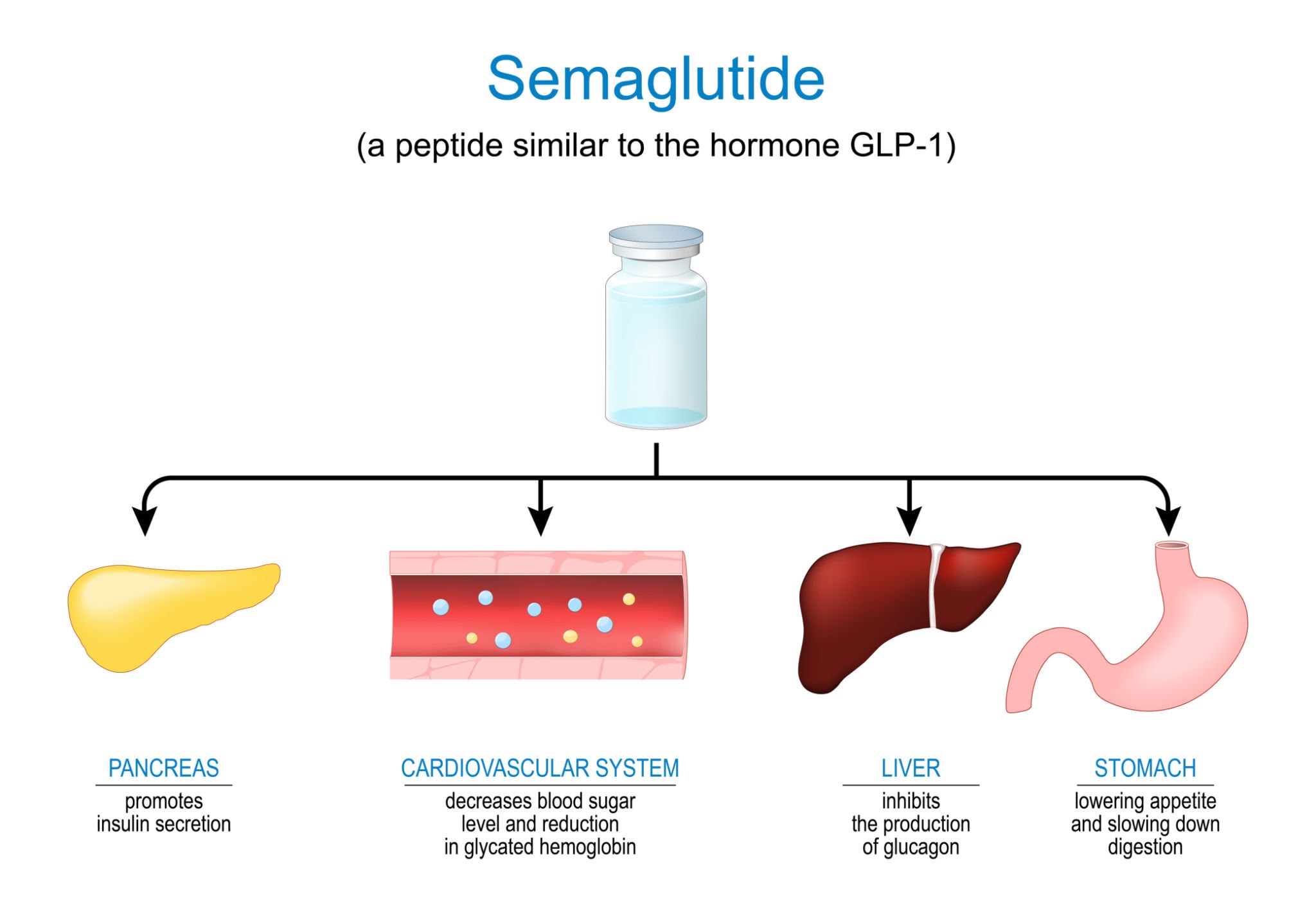
GLP-1 is a hormone your body already makes. It helps control blood sugar and appetite. The medications are basically mimics—they amplify those signals.
So what happens?
You feel full sooner. Food stays in your stomach longer. Hunger quiets down a bit.
At proper doses, this system works in a predictable way. That’s what clinical trials are built around. But once you start shrinking the dose, things get less predictable. Sometimes it still works. Sometimes… nothing really happens.
Why People Are Trying Micro-dosing GLP-1s
Honestly, most of it comes down to trade-offs.
Side effects are a big one. Nausea, stomach issues—those are common at full doses. So people think, “What if I just take less?”
Cost is another driver. These medications aren’t cheap, especially in the U.S. Stretching a single pen can feel like a practical workaround.
Then there’s the shortage issue. When supply gets tight, some people ration.
And yeah, there’s also the softer side of it. Some don’t want dramatic weight loss. They just want a small edge—less hunger, fewer cravings.
Social media has poured fuel on all of this. You’ll see claims about “metabolic resets” or “longevity boosts.” Those sound appealing, but they’re not grounded in solid evidence.
Follow Our : Foundayo, a New Weight-Loss Pill: What People Should Know
Micro-dosing GLP-1s: What the Research Actually Shows
If you dig into the studies, a pattern shows up pretty quickly.
Lower doses have been tested before. In some early trials, they didn’t perform much better than placebo. That’s not surprising—these drugs are dose-dependent.
The stronger, consistent benefits—things like heart or kidney outcomes—show up at standard, approved doses. That’s where the data is.
There’s also huge variation between people. Some respond strongly even at low levels. Others don’t respond much at all, even with full dosing.
And the big gap? Long-term data on micro-dosing just isn’t there. Especially for people who don’t have diabetes or obesity.
Where Things Get Risky
This is where the trend starts to wobble a bit.
Dosing accuracy is a real issue. These pens weren’t built for tiny adjustments. Counting clicks isn’t exact. You might take too little—or more than you think.
Compounded medications add another layer. They’re not regulated the same way as FDA-approved products. Quality can vary.
Then there’s basic safety. Using medications longer than intended to stretch them out? That can affect potency. In some cases, it raises contamination concerns.
And zooming out—there’s no long-term safety data for using these drugs in low doses, especially in people who don’t medically need them.
Micro-dosing GLP-1s: A Few Misconceptions That Keep Circulating
One idea that keeps coming up is that micro-dosing is just a gentler version of the same treatment. It’s not that simple. The delivery systems weren’t designed for splitting doses, and that changes the equation.
Another common belief is that it helps “train” your habits. Maybe in the short term. But once the medication stops, the body tends to push back. Hunger increases. Metabolism can slow. That rebound effect is well documented.
There’s also this assumption that smaller doses still give you the same metabolic benefits. That hasn’t been shown. The cardiovascular and organ-related benefits seen in studies are tied to standard dosing.
What’s Being Studied (At Proper Doses)
There’s real excitement around GLP-1 medications in general.
Researchers are looking at their effects beyond weight and blood sugar—things like inflammation, heart health, even potential roles in addiction and brain health.
But—and this part matters—those findings are linked to approved dosing strategies. Not micro-dosing.
Follow Our: Ozempic Side Effects: The $1,200 Nausea and How to Fix It
Who’s Drawn to This Trend
You’ll see a pattern.
People who are sensitive to side effects.
People who want slow, steady changes instead of big swings.
People dealing with mild metabolic issues.
And honestly, people influenced by what they’re seeing online.
It’s a mix of practical concerns and curiosity.
What Makes More Sense, Practically Speaking
If the goal is fewer side effects, there are established ways to handle that—under medical supervision. Gradual dose adjustments, pacing things out, managing diet. Those approaches are actually studied.
Trying to DIY the process with micro-dosing? That’s where things get uncertain.
For general health, the basics still hold up. Nutrition, movement, sleep, stress. Not exciting, but reliable.
So Where Does That Leave Micro-dosing GLP-1s?
It’s not hard to see why the idea caught on. It feels controlled. Custom. Less intense.
But the science hasn’t caught up to the trend.
Right now, the benefits appear tied to full, approved doses. Micro-dosing sits in a gray area—no clear guidelines, limited data, and a fair amount of guesswork.
That doesn’t mean people won’t keep trying it. They will.
It just means the risks and unknowns are still part of the picture.
Follow Our: “Celebrities, GLP-1s, and the Reality of ‘Ozempic Face’”
Medical Disclaimer (USA/Canada)
This content is for informational purposes only and does not provide medical advice, diagnosis, or treatment. Always consult a qualified healthcare professional before making decisions about medications or health care.
Reference List
https://pmc.ncbi.nlm.nih.gov/articles/PMC9209591/
https://pmc.ncbi.nlm.nih.gov/articles/PMC12323555/
https://stacks.cdc.gov/view/cdc/174616
https://pubmed.ncbi.nlm.nih.gov/41669827/
https://jamanetwork.com/journals/jama/fullarticle/10.1001/jama.2025.242